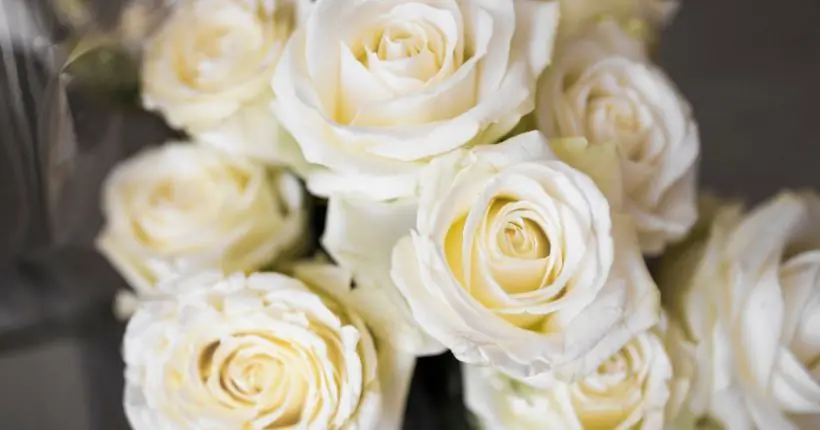
Large flower orders can look perfect at dispatch and still lose quality before setup if handling is not disciplined. For decorators, planners, and venue teams, consistent post-harvest execution is the difference between premium bloom quality and expensive same-day replacement.
This guide compiles practical bulk flower care tips for weddings, exhibitions, and multi-day events where flower count, movement, and timing all increase risk.
Start with a 30-Minute Intake Routine
The first half hour after delivery is critical. Do not leave bundles in packaging while teams are busy with staging tasks.
- Move flowers into a shaded prep zone immediately.
- Sort by variety and maturity stage.
- Discard damaged stems before they contaminate bucket water.
- Re-cut stems at an angle before hydration.
Clean Water and Sanitized Buckets Are Non-Negotiable
Most vase-life failure in bulk orders comes from bacterial growth. Even premium stems collapse fast if water hygiene is poor.
- Use food-safe sanitizer for buckets, knives, and prep tables.
- Change water daily for flowers waiting more than 12 hours.
- Remove lower leaves that would sit under water and rot.
Recommended Storage Temperature by Flower Type
| Flower Type | Ideal Storage Range | Humidity | Handling Note |
|---|---|---|---|
| Roses | 2 to 4 deg C | 90 to 95% | Hydrate deeply before design work to avoid bent necks. |
| Gerberas | 4 to 6 deg C | 85 to 90% | Store upright in shallow water; stems soften in deep buckets. |
| Orchids | 8 to 12 deg C | 85 to 90% | Avoid direct cold blasts; orchids are chill-sensitive. |
| Gypsophila | 2 to 4 deg C | 90 to 95% | Keep in breathable bunches for airflow and even hydration. |
Hydration and Nutrition Workflow
To improve consistency, standardize one process for every team shift.
- Step 1: Re-cut stems with sanitized blades.
- Step 2: Place stems in hydration solution, not plain tap water.
- Step 3: Keep flowers at target temperature for conditioning.
- Step 4: Refresh solution before final transport or installation.
These are the most reliable best practices for fresh cut flowers when your order size is large and handling passes through multiple teams.
Pre-Event Conditioning Checklist
- Condition high-value blooms (roses, orchids) at least 6 to 12 hours before design.
- Stage flowers in route-wise bins if multiple venues or halls are involved.
- Protect blooms from fan airflow and direct sunlight during setup.
- Use insulated transport where travel time exceeds 45 minutes.
Top Mistakes That Reduce Vase Life
- Leaving bunch sleeves on during hydration.
- Mixing ethylene-sensitive flowers near ripening fruits.
- Overcrowding stems in one bucket, blocking water uptake.
- Skipping water changes in overnight holding areas.
How to Increase Vase Life in Real Event Conditions
If your team asks how to increase vase life flowers during hot and high-traffic events, focus on three levers: temperature, sanitation, and timing discipline. You cannot control every environmental variable onsite, but you can control these core workflows and protect quality.
Planning a high-volume flower requirement?
Fleur Vine supports bulk sourcing,
cold-chain handling, and event-ready dispatch planning for decorators and planners.